
The Art of Heat by Gina Keatley
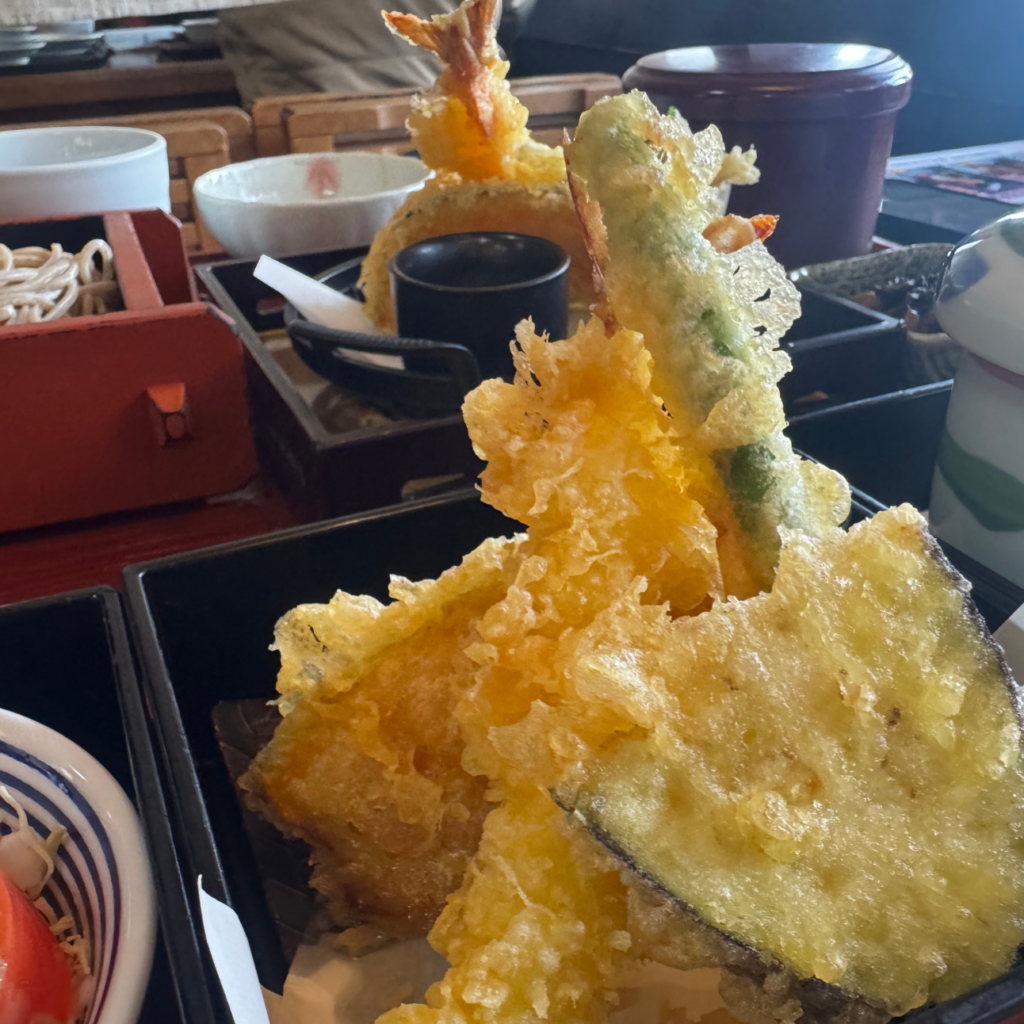
At Bunraku Soba in Akō, the tempura arrives almost like a lesson in timing. The batter is impossibly light, crisp but not heavy, holding its shape for only a brief moment before heat, steam, and air begin their quiet negotiation. The shrimp stands upright, vegetables glow through a translucent crust, and every piece feels suspended between becoming and disappearing.
Watching tempura cool is a reminder that the best moments in both cooking and art are temporary. The chef’s skill is not simply frying ingredients; it is understanding exactly when to introduce heat and when to remove it. Too little heat and nothing transforms. Too much and everything is lost.
Art works much the same way.
An idea begins raw, uncertain, and incomplete. Pressure, experimentation, risk, and sustained effort act as the heat. At the right moment, the work reaches a state where structure and spontaneity coexist. Leave it untouched and it never develops. Overwork it and the vitality disappears.
The tempura at Bunraku is beautiful because it exists in that narrow window of perfection. The challenge for artists is recognizing the same moment in their work—the point where transformation has happened and further intervention is no longer improvement.
The heat creates the work.
Knowing when to remove it preserves the art.
兵庫県赤穂市の文楽そばで供される天ぷらは、まるで「間」の美学を教えてくれるようです。
衣は驚くほど軽く、繊細でありながら確かな存在感を持っています。しかし、その完璧な状態はほんの一瞬しか続きません。熱、湯気、空気が静かにせめぎ合いながら、天ぷらは少しずつ変化していきます。海老は凛と立ち上がり、野菜は透き通る衣の向こうで輝き、一つひとつが「生まれること」と「消えていくこと」の間に浮かんでいるように見えます。
冷めていく天ぷらを眺めていると、料理も芸術も、その最良の瞬間は永遠ではないことを思い出します。料理人の技術とは、ただ素材を揚げることではありません。いつ熱を加え、いつ火から離すべきかを知ることにあります。
熱が足りなければ、何も変化しません。
熱が強すぎれば、すべてを失います。
芸術もまた同じです。
アイデアは未完成で、不確かで、荒削りな状態から始まります。プレッシャー、実験、リスク、そして積み重ねられた努力が熱となり、作品を変化させます。そしてある瞬間、構造と偶然性が共存する地点へと到達します。
手を加えなければ成長しません。
しかし手を加えすぎれば、生命力は失われます。
文楽の天ぷらが美しいのは、そのわずかな完璧の時間の中に存在しているからです。
芸術家にとっての課題も同じです。変化がすでに起こり、これ以上の介入が改善ではなくなる瞬間を見極めること。その一点を見つけることです。
熱が作品を生み出します。
そして、その熱を取り去る時を知ることが、芸術を守るのです。