
Crimson in a Quiet Season
By Gina Keatley
Color arrives before language. Before context. And in winter, it really shows off. Against a landscape softened by cold and restraint, saturation feels almost mischievous. Crimson does not whisper here. It glows. It knows exactly what it’s doing.
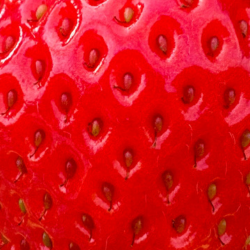
Just outside Akō, inside a cluster of low greenhouses, that color pulls you in immediately. Before you think about taste or farming or technique, your eye lands on it. Rows of strawberries hover neatly off the ground, their surfaces catching the pale winter light like they’re in on a secret. The color is bold, consistent, and frankly impressive for the middle of winter. This is not accidental red. This is cultivated confidence.
In the United States, strawberries belong to summer. They’re casual, expected, everywhere all at once. In Japan, strawberries arrive in winter, and that flips the script completely. Crimson here feels intentional. Earned. A small act of rebellion against the season.
At Arinashi Farm, timing is everything. These berries are grown slowly through the cold months, protected and coaxed into existence rather than rushed along. That patience shows up in the color first. It’s deeper, richer, more focused. The berries don’t shout. They shine.
And then you taste them.
We tried three different varieties, and I am not exaggerating when I say they tasted like Fruity Pebbles in the best possible way. Shockingly sweet, bright, joyful, and outrageously perfect. Not artificial, not cloying, just pure pleasure. Each variety had its own personality, but all of them felt polished, like someone had decided there was absolutely no reason to hold back.
This is where food and art collide for me. Color sets expectations. In painting, it guides the eye before you even know why. In food, it tells you whether something is worth paying attention to. At the farm, the repetition of those berries felt almost architectural. Saturation became structure. Joy became discipline.
The family run nature of Arinashi Farm was everywhere. In the way the space was kept. In the rhythm of the work. In the quiet pride that came through without needing explanation. This wasn’t about producing the most. It was about producing the best. Color here wasn’t decorative. It was the result of care.
In my own practice, I think a lot about timing. When to push. When to wait. When to let something fully become itself. Watching strawberries reach peak perfection in the middle of winter felt like a reminder that the season doesn’t get to decide what’s possible.
I left thinking less about strawberries and more about permission. Permission to be vibrant when things are quiet. Permission to take pleasure seriously. Permission to let color do what it does best.
静かな季節のクリムゾン
ジーナ・キートリー
色は、言葉よりも先に届く。文脈よりも先に。冬になると、その存在感はさらに際立つ。寒さと静けさに包まれた風景の中では、彩度そのものが少しいたずらっぽく感じられる。ここでのクリムゾンは、控えめではない。堂々と輝き、自分が何者かをよく知っている。
赤穂の町から少し外れた場所に並ぶ低いビニールハウスの中で、その色は真っ先に目に飛び込んでくる。味や栽培方法を考える前に、まず視線が引き寄せられる。いちごは丁寧に地面から持ち上げられ、淡い冬の光を受けて静かに艶を放っている。その色は力強く、均一で、正直なところ冬とは思えないほど美しい。偶然の赤ではない。育てられた自信の色だ。
アメリカでは、いちごは夏のものだ。気軽で、当たり前で、あふれるように存在する。けれど日本では、いちごは冬に現れる。その事実だけで、意味は一変する。この季節のクリムゾンは装飾ではない。意志だ。静けさへの小さな反抗のようでもある。
ありなしファームでは、時間こそが仕事だ。いちごは寒い季節の間、ゆっくりと育てられる。守られ、急がされることなく、自然に熟すのを待たれる。その忍耐が、まず色に表れる。深く、濃く、集中したクリムゾン。声を張り上げることはない。ただ、確かに輝いている。
そして、ようやく味にたどり着く。
三種類のいちごを味わったが、正直に言って、そのおいしさは少し衝撃的だった。信じられないほど甘く、明るく、楽しい。例えるならフルーティ・ペブルズのような幸福感。ただし人工的ではなく、純粋ないちごとして。完璧すぎるほど完璧で、それでいて地に足がついている。それぞれに食感や余韻の違いはあるが、どれも迷いのない味だった。
ここで、私の中で食とアートが重なり合う。色は期待をつくる。絵画では、形を理解する前に視線を導く。食では、口に入れる前に心をつかむ。整然と並ぶいちごは、ほとんど建築的に感じられた。彩度が構造になり、喜びが規律になる。
ありなしファームが家族経営であることは、あらゆるところに表れていた。空間の整え方、作業のリズム、言葉にしなくても伝わる静かな誇り。量を追う場所ではない。質を極める場所だ。ここでの色は飾りではなく、手間と時間の結晶だった。
私自身の制作でも、タイミングについてよく考える。押すべき時、待つべき時、そして、完全に育つのを許す時。冬の真ん中で完璧ないちごを見ることは、季節が可能性を決めるわけではないという、ささやかな証明のように思えた。
その場を離れるとき、心に残ったのはいちごそのものよりも、許可の感覚だった。静かな時にこそ鮮やかでいていいという許可。喜びを真剣に受け取っていいという許可。色が本来の力を発揮することを、ただ信じていいという許可。